The nuclear power industry is experiencing a renaissance due to the convergence of data centers, AI, advanced computing, and other demanding technologies that need reliable electricity.
With the exponential growth of these drivers, bolstered by net-zero decarbonization targets, national security directives, and clean energy initiatives, power demand is rising at an incredible rate.
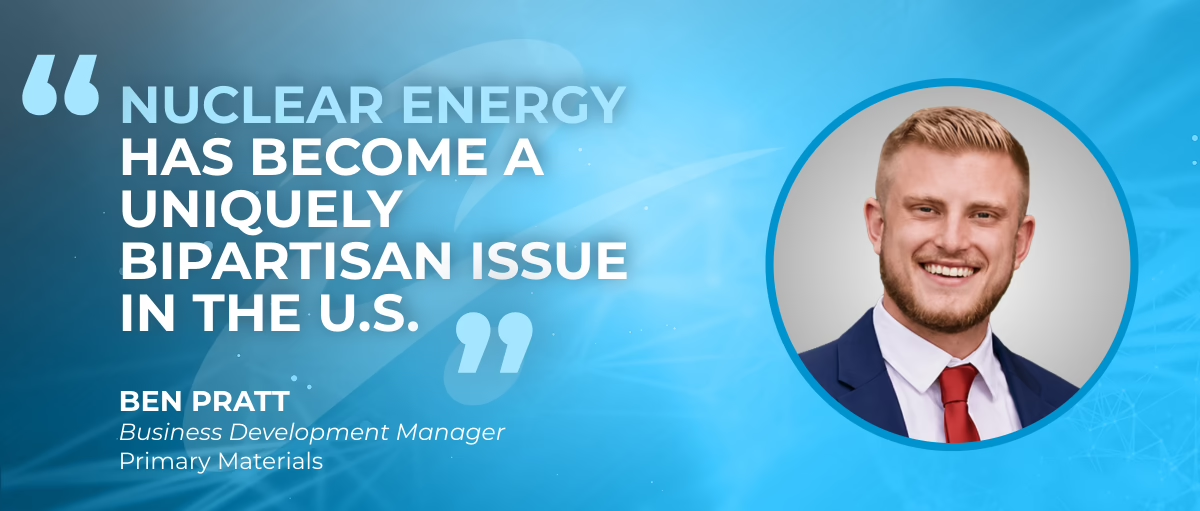
There are three major contributors to the resurgence of nuclear power:
The surging demand for electrical power for data centers, in particular, is largely driven by tech giants funding nuclear facility restarts. According to Goldman Sachs, this power demand is projected to double from about 31 GW to 66 GW by 2027.

To meet this need, the U.S. Department of Energy is investing billions in nuclear reactor restarts, uprates, and life extensions to expand capacity at scale.
Two key examples of restarts stand out. The first is Palisades in Michigan, which Holtec is restarting and expects to operate through at least 2051. The second is the former Three Mile Island Unit 1, which is being restarted under the name Crane Clean Energy Center.
By comparison, uprates increase an existing reactor’s output without building a new one.
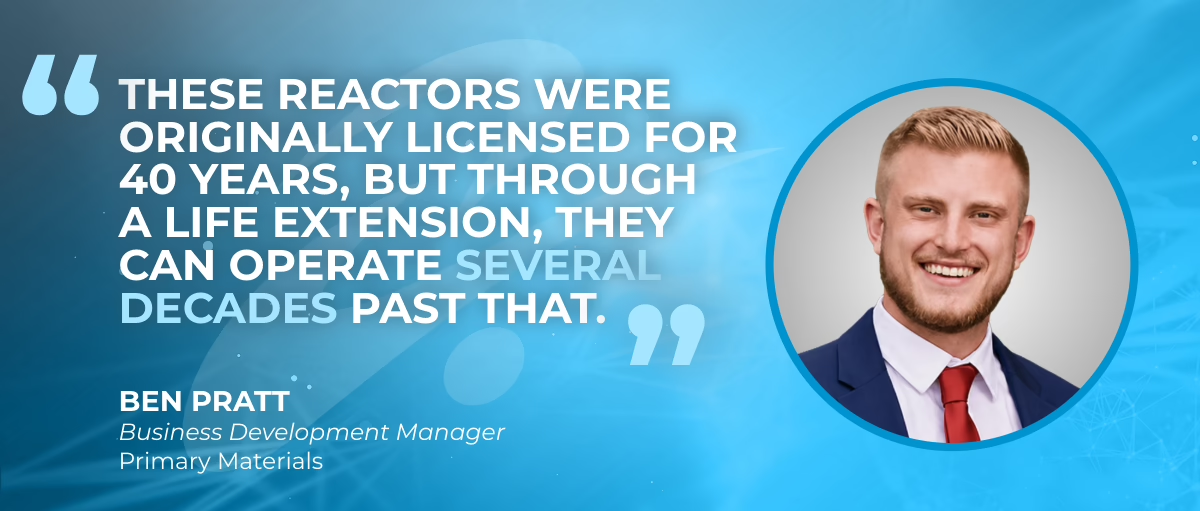
An independent lab like NSL Analytical, with the capacity, experience, and comprehensive capabilities to serve the nuclear market, is critical to scaling operations and meeting safety and regulatory requirements.
Scalable nuclear operations depend on material performance under extreme conditions. This means expert nuclear materials testing and a thorough quality system cannot slow down manufacturers who need to scale at the required pace.
For a deeper dive on this subject, watch this interview with Ben Pratt, Business Development Manager at NSL Analytical. The video covers the resurgence of the nuclear industry and how the right lab with scalable testing capacity can keep nuclear materials production moving at scale.
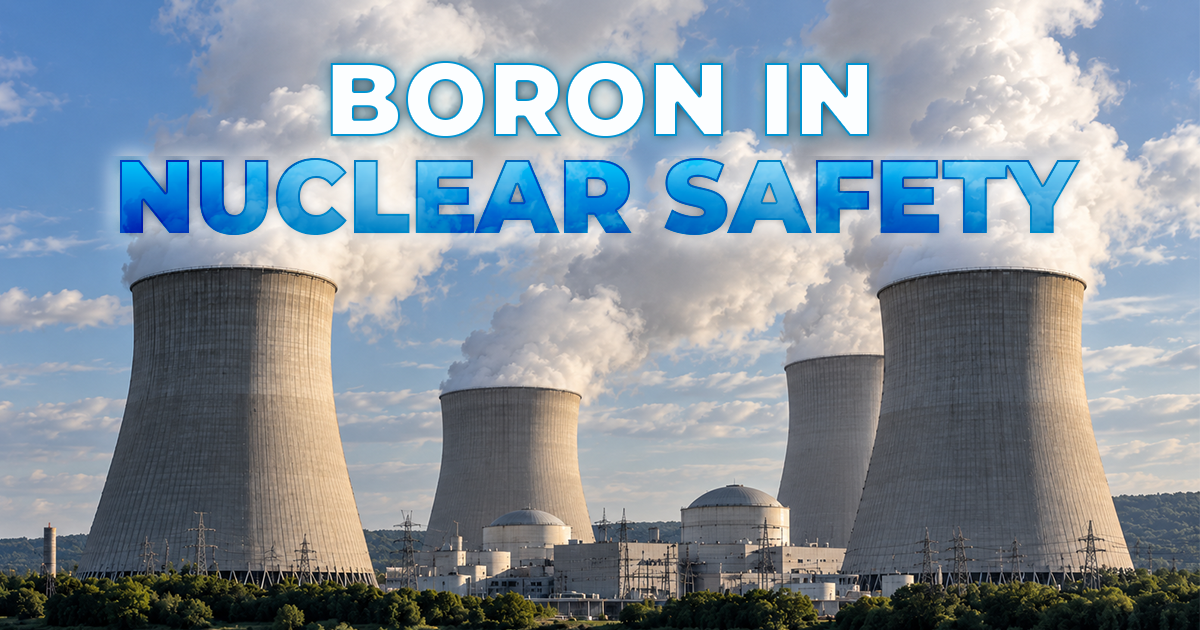
Boron-based materials are critical to nuclear reactor safety
Dr. Ross Cunningham has more than a decade

Dr. Ross Cunningham has more than a decade



NSL Analytical
4450 Cranwood Parkway
Cleveland, OH 44128
(216) 438-5200
(216) 438-5050
NSL Metallurgical
4564 Johnston Parkway
Cleveland, OH 44128
(877) 560-3943
NSL Analytical
4450 Cranwood Parkway
Cleveland, OH 44128
(216) 438-5200
(216) 438-5050
NSL Metallurgical
4564 Johnston Parkway
Cleveland, OH 44128
(877) 560-3943